I am sorry for being unable to write in greek, but I would like to share this with you.
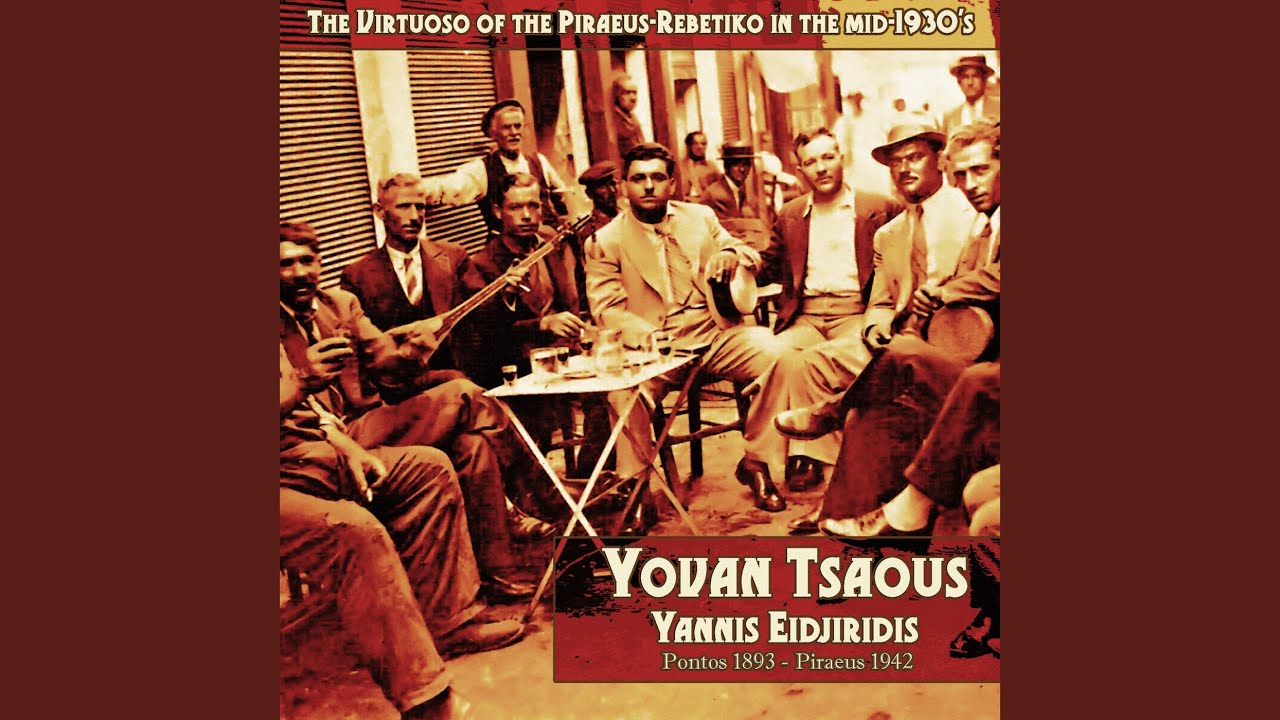
I recently had a close look to the description of Yovan Tsaous instruments in the book of Stavros Kourousis “From Tambouras to Bouzouki - The History and Evolution of the Bouzouki and its first Recordings (1926-1932)”.
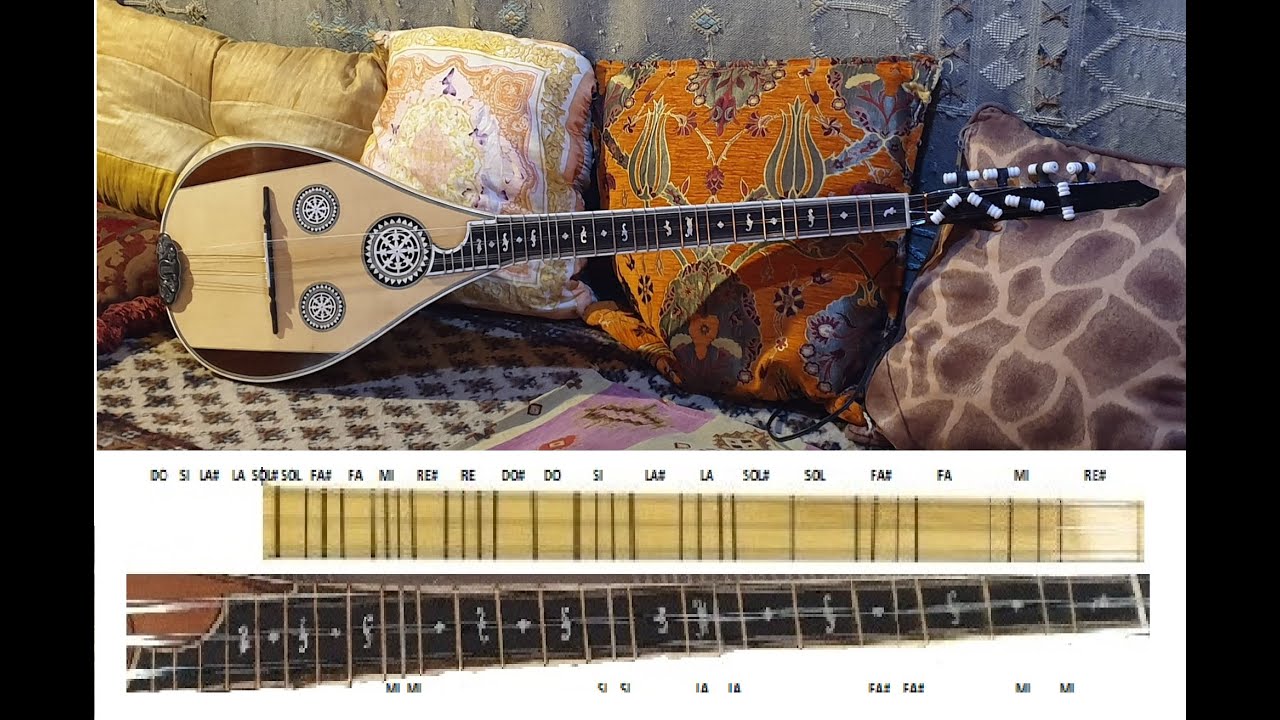
After performing some calculations (hopefully without errors), I think that it was tune exactly like a Turkish TANBUR, but with some missing notes.
What do you think about it ?
That would explain why bouzouki player could not play on his instrument !
But i still do not understand why the SEGAH note is missing (perhaps because the instrument other strings were tuned in C or G, which make appear the note SEGAH ?)
αυτο θα ηταν πρέπον να το εξετάσουν οι μακαμιστές μας και να το απαντήσουν.
δεν νομιζω να περιμένει ο φίλος απο Γαλλία ακόμη την απάντηση, αλλα εμεις οι υπόλοιποι, θα ωφεληθούμε.
hello, kalimera, i want to learn the taximi from TSAOUS which Spyros told me, but i mean it would be very good to have a tambour, where in athens i could buy a tambour. i mean diamanto alaniara from Yovan.
I was interested too on the subject, I found this excel sheet that might help if you make changes on the length of string: Tanbur Fret Location.xlsx (130,6 KB)
(from Mike Oud’s forums)
This appears to be a setup for a Turkish Tanbur which is essentially a single-string instrument (with sympathetics etc) of a much longer scale, with the maximum numbers of movable frets. Although number and placement of frets is a matter of interpretation and discussion, this system is probably not what Tsaous had.
Yes I agree, and I do not know if the excel spreadsheet is correct. However it provides a guideline for distances on the fretboard.
According to this video - presentation on the creation of a replica of Yovan Tsaous instrument, the modifications he made were very few:
Tanbur (with this spelling) is a classical Ottoman lute with a very long neck and with the most detailed fretting of all fretted instruments. The one with semispherical body and no soundhole. A very specialised instrument, that no one can play with just some knowledge of bouzouki.
Yovan Tsaous’s instruments were unique. A non-tempered variant of bouzouki, in two different sizes and tunings. Unknown (at least to me) from any other source. And they are often referred to as ταμπούρι or ταμπουρομπούζουκο.
I am not a big makam master but I can answer the question of why the segah fret is missing. the frets on tsaous’ instruments are simplified to quarter tones (like a saz). we cant tune notes accurately for classical makam music where a tone is divided into 9 komas. on the saz and in most cases on tsaous’ tambourades the tone is divided into 4 notes. on the classical tanbur (as you can see on the youtube thumbnail above) the tone is divided into 8 (kind of like an equivalent for the equal temperament system for turkish classical music). we should compare tsaous’ instruments to the saz not the tanbur. [note: sometimes on certain notes the quarter tone is placed lower/flatter on tsaous’ instruments but the point is that he divides a tone into 4 frets like a saz and not 8 like a tanbur]
anyway so about the segah note. kurdi and buselik are about a semitone apart. dik kurdi is a comma above kurdi, but has been simplified to a quarter tone (2.25 komas) above kurdi. segah is a koma flat from buselik. if we are rounding to quarter tones segah either have to be on the adjusted dik kurdi (quarter tone) or the buselik fret. in practice we play that note on the buselik fret (the major third, just like how we play the segah note on an equal temperament bouzouki)
welcome @yaroslav . This makes sense. Isn’t it interesting however that a 5th higher the evc perde is there but not the mahur? That is the oposite of what you are describing, assuming the graph of the first post is accurate.
To be honest i don’t think it is accurate as in the song Giovan Tsaous he plays makam Zavil and we can clearly hear mahur colour. This is getting a bit messy.
Thankyou. i think with evc it is a similar situation. on his instruments (if we go by the fret names assigned by the original poster, which i do agree with), the whole notes and the 4 koma sharp notes take preference and get their own fret which by the looks of things is in equal temperament position (there is one exeption on his larger surviving tamboura where nim hisar and hisar look like they are positioned according to their true koma-accurate values). evc, like kurdi from the last example being a 4 koma sharp note gets its own fret. mahur, like dik kurdi, being 5 koma sharp would be placed as a quarter tone in between evc and gerdaniye. the fret just doesnt exist on this particular example.
regarding the song Giovan Tsaous, my guess would be that perhaps the instrument he used for that recording simply did just have a fret in that position unlike the surviving examples. looks like from photos that he had at least one other instrument, so its not impossible. the saz has a fret in that position, interestingly. my theory is pure speculation