Does anyone know whether the type known in English as oak is used in instrument making? In Greek, I find it referred to as δρυς and βελανιδιά, but there is also the broader genus Quercus, and I don’t know what other species it includes or whether any of them are used in instrument making.
1 Like
Oak is a heavy wood, one of the heaviest. So I find it unlikely to be chosen for making instruments in the guitar or lute family. Perhaps for a neck? But oak doesn’t have a smooth surface. For the piano?
What is interesting, though, is that the common name for this wood, as well as for the tree it comes from, is: Tree! Perhaps because it is THE tree…
1 Like
It’s strong and hard-wearing wood, but heavy. It’s also expensive, although cheaper than many types of timber used in instrument making. It’s used for furniture—including relatively expensive furniture—wooden door and window frames, in shipyards, and generally has a great many applications. However, because it’s heavy, it isn’t used in instrument making. While searching, I did find a few examples of guitars made from oak, but not in Greece, and they were mainly amateur builds.
Personally, it’s my favourite wood for furniture. Two years ago, I designed some furniture for my home and wanted to make it from oak. When I worked out the amount I would need and the cost, I thought, “Oh well, pine or fir (mid-range in price) will do just fine,” and I’ll coat them with an oak-coloured varnish.
1 Like
Thank you very much. I’ve made a little progress with the search.
I found a very small number of bouzoukis with oak bodies. Someone is making a lyra which, in the end, is probably Quercus brantii, commonly known as Persian oak.
I have no idea about the wood’s acoustic properties, but it looks very beautiful.
1 Like
It’s a beautiful wood. I was blown away when I was invited to a colleague’s home and saw that it was furnished with solid oak. In a bouzouki, which part of the instrument is oak used for?
see here
1 Like
Well, I’d be gobsmacked too! But I couldn’t afford it if I were to order oak furnishings for my house…
(The desk, though, which I inherited from my father, is oak. Of course, it’s pre-war…)
3 Likes
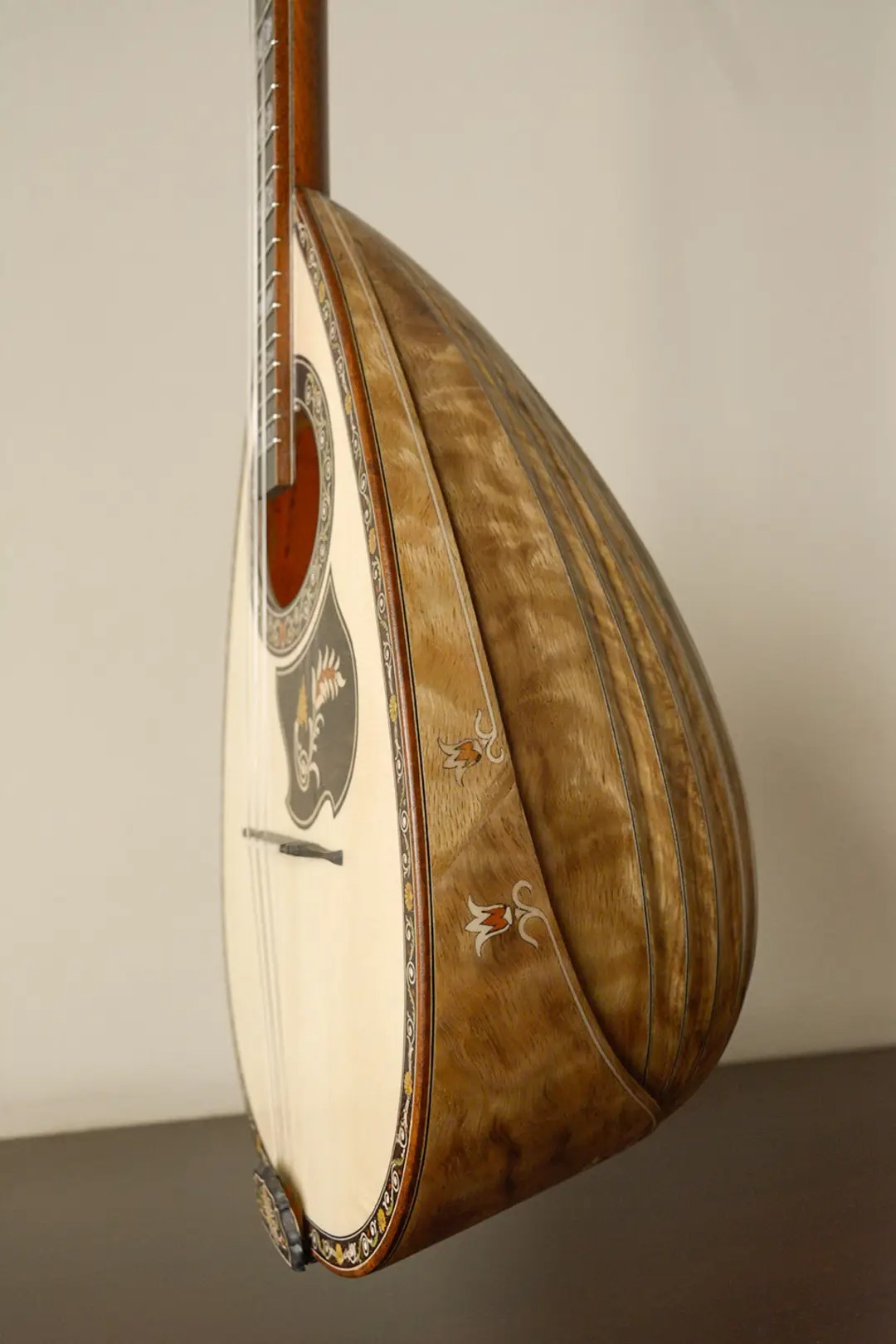
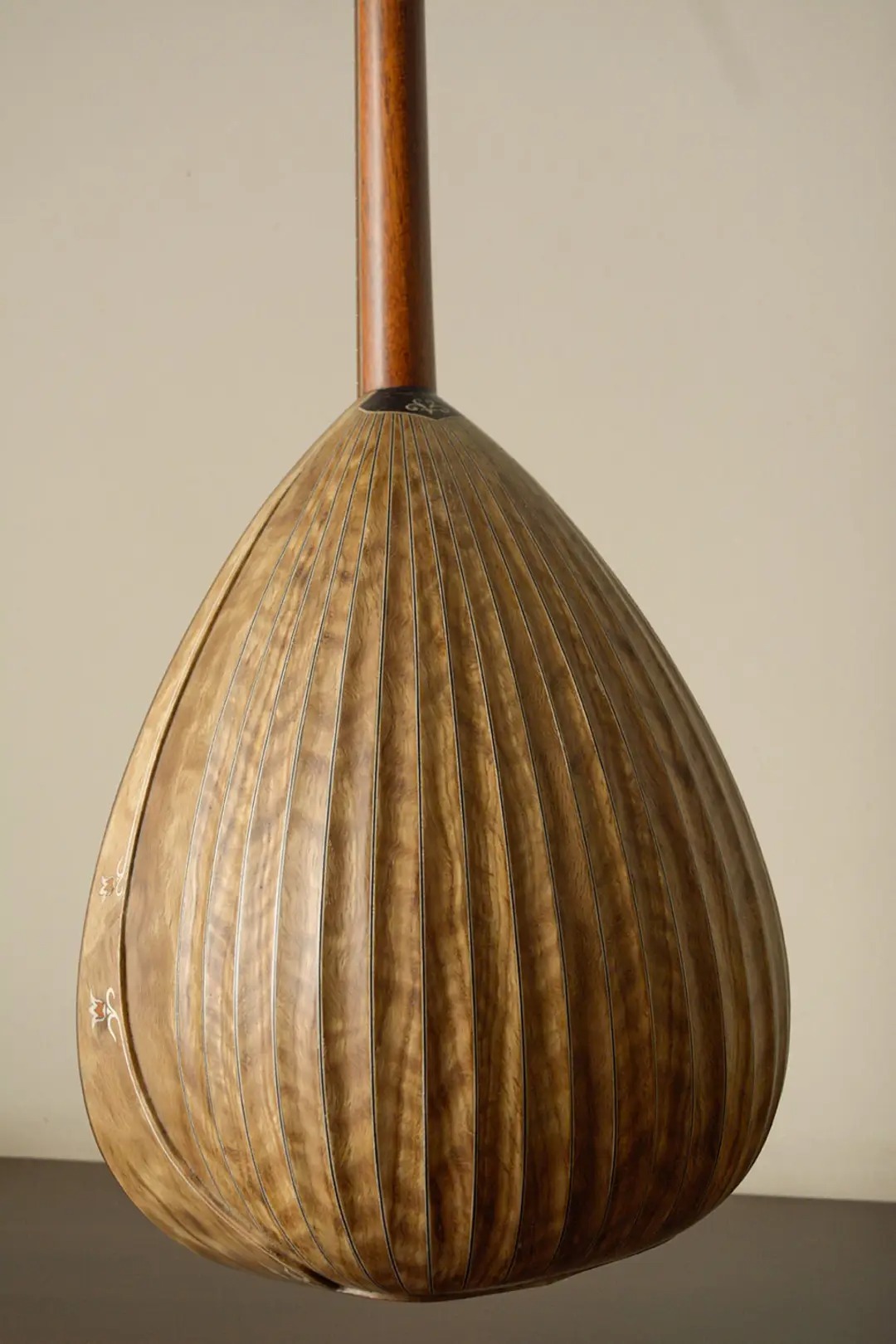
And yet! Would you believe there’s a bouzouki with an oak body!
But: price: €3,750!!!
(and I’d also like to know the weight…)
I remember “oak floors” from childhood reading as a byword for luxury. But when, as an adult, I was looking to have a floor fitted, oak was one of the cheapest of all the types of wood I found. I was puzzled, but of course I didn’t start a conversation with the timber merchants along the lines of, “You know, when I was little I read a book…”.
________________________________
They used to make solid-oak toumpakia (drums) on Kea. You cut a more or less cylindrical slice from a tree trunk and hollow it out. On all the other islands, the toumpaki is made from bent plywood. Nowadays that’s the case on Kea too, because oak has been declared a protected species on the island and they no longer cut it.
(Kea has many oak trees, which used to play a central role in the island’s economy too, with factories processing acorns, from which they made something—I can’t remember what, perhaps dyes. I don’t know whether it’s some distinctive local variety or the common oak found everywhere. In any case, it seems to have come close to extinction; in the meantime, the acorns were probably replaced by some more modern material as well, so the tree is now protected and they no longer cut it.)
1 Like
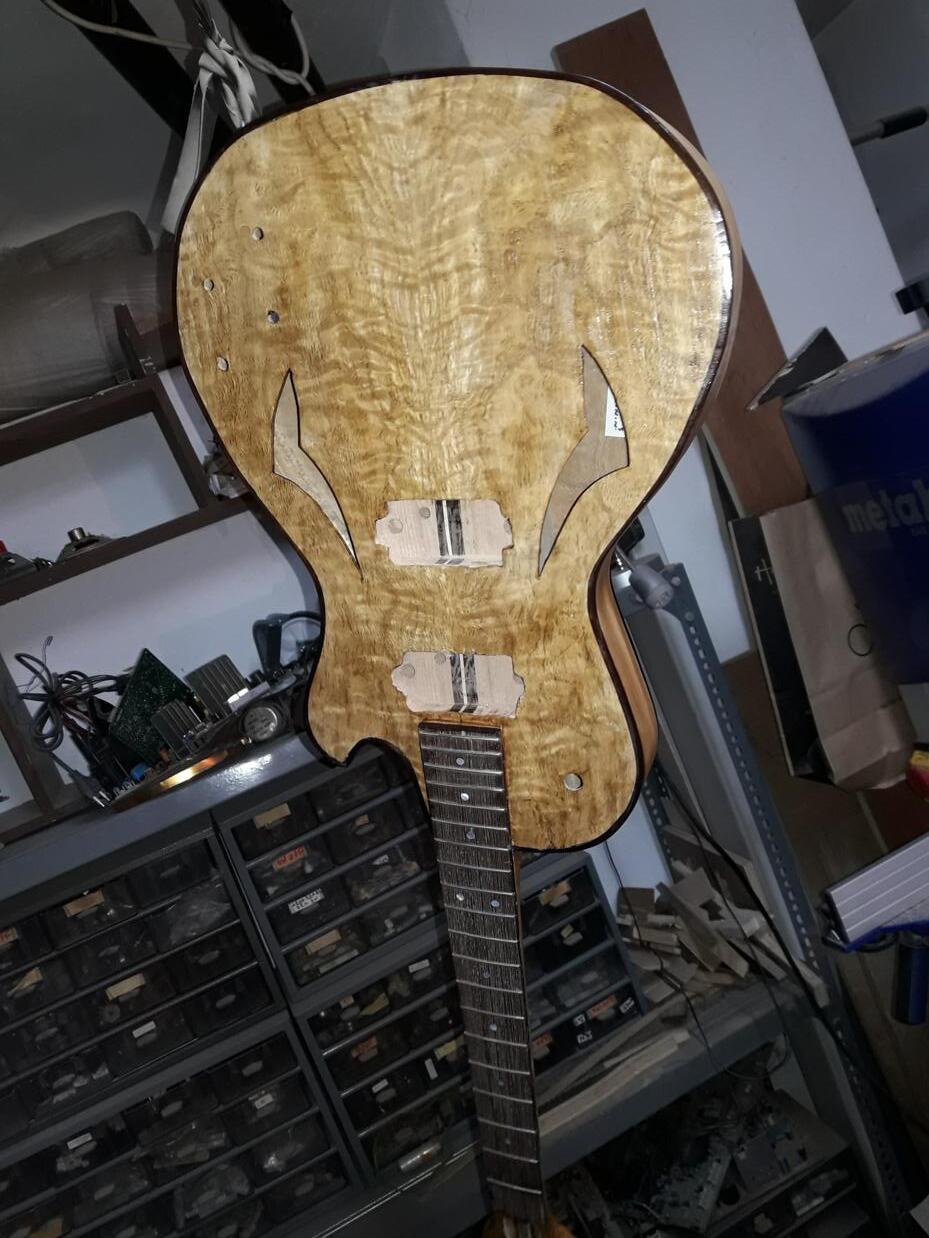
Oak is a type of wood that generally isn’t used much in instrument making. Spourdalakis’s bouzouki isn’t made from plain oak, but from figured oak, which is why it has such beautiful figuring. Ordinary oak is heavy, and its surface is difficult to smooth. I’ve only used it once as a reinforcement in the neck of a lafta, from some very old parquet flooring (over 60 years old) that had been removed during a renovation. I had selected a few of the pieces with the densest, straightest grain for future use, but I still haven’t used them.
And now that I think about it, the semi-hollow electric guitar I made for my son must probably have been made from figured oak as well.
3 Likes
Good evening, I came across this on Spourdalakis’s Facebook page https://www.facebook.com/spourdalakis/: a three-stringed instrument made of oak that he built at Christmas. Really beautiful wood!
1 Like
quote=“Νίκος Πολίτης, post:8, topic:49974, username:nikos_politis”]
(and I wish I knew the weight too…)
[/quote
1 Like
But can the wood really drive the price up that much? I was under the impression that, compared with the labour, craftsmanship, fittings (e.g. tuning pegs), etc., the proportion of an instrument’s price accounted for by the cost of the wood is so small that the difference between expensive and cheap wood is barely noticeable in the final price of the instrument.
Could it be that oak, being so dense, is difficult to work with and requires more labour, and that this is why it makes the instrument more expensive? Other people here make silver strings (silver-plated, at least), and we don’t pay a fortune for them… or pay gold prices. However precious silver may be, the quantity is small.
Well, yes, oak is much more difficult to work than the light-coloured softwoods.
Oak is a heavy and extremely hard wood. This makes it stiff and therefore difficult to work with. It is also open-grained, which is why, along with chestnut (Despotaki), it was used for the technique known as DKP. In practice, to achieve a smooth finish and fill the pores, it requires an additional two or three coats of varnish undercoat. In other words, considerably more labour and material costs.
1 Like
In this particular workshop, I can see clearly defined price categories, so presumably the rare or unusual wood is there to justify the extremely high price (along with gold leaf, carved ribs, carbon fibre, etc.). There are other workshops that have exceptional and rare timber, and, more importantly, know how to make good use of it, but they do not charge anywhere near as much.
1 Like
If you like, mention which other workshops you enjoy.
Sticking with the subject of timber, old, properly seasoned wood can usually be found in second- or third-generation workshops, where it has been passed down from the craftsmen’s fathers or even grandfathers. In rural areas, some people also search old, ruined houses for mulberry and other woods taken from the beams (or katrani in Crete). There are also craftsmen who have a special relationship with wood and have built up their own stock of good-quality timber.
1 Like
Fair enough, and Spourdalakis is no amateur either. I don’t think many people provide certificates of authenticity for Brazilian rosewood, which I’ve seen instruments on his website made from. As for second- and third-generation workshops, I don’t know, because they may have better timber than the others. Just because someone is a good instrument maker doesn’t mean their children will make instruments just as well. Time will tell in each case.
Why have they had the timber all this time, if I understood what Nikos meant correctly, so that it has been slowly drying here for decades?
But does that really happen? Does someone buy a stock of timber for their grandchildren—or even further descendants—to use decades later? And what wood does he use in the meantime? (I remember hearing something similar when I was little about a potter: that he collected his clay from wherever his father or grandfather had buried it to mature. But I’m not sure I understood the information correctly…)