Does anyone know whether “Militsa” was performed and sung anywhere in Greece with an alternation between two rhythms, as in this particular recording by Papasideris?
Does anyone know whether “Militsa” was performed and sung anywhere in Greece with an alternation between two rhythms, as in this particular recording by Papasideris?
I don’t know where the song was played like that. It is, however, absolutely certain that, for the record industry to schedule a recording with those characteristics, it must have been guaranteed that the record would be bought. So yes, there was definitely a Militsa with alternating rhythms. And as is well known, it isn’t the only case; the other similar one I half remember is also an Asia Minor song.
Perhaps in Lefkada? They have those kinds of double dances there.
Thank you very much, Mr Nikos and Pericles, for your answers! I’ll look into whether there was or is such a version in Lefkada.
I found a collection of various versions of Militsa. Very interesting.
Well, it really is the Lefkadian version, slightly adapted by Papasideris (perhaps even unintentionally, from memory): I checked it against his record from the SDEM—the Society for the Dissemination of National Music—Songs of the Ionian Islands, edited by S. Kara. It must be somewhere on YouTube. The title on the record is “Milia”.
There are countless versions; it is one of the most widespread folk songs. There are even versions in which no mention is made of an apple tree at all; instead, after a different introduction, the narrator once again finds himself among the graves, where the main, unchanging part of the narrative begins.
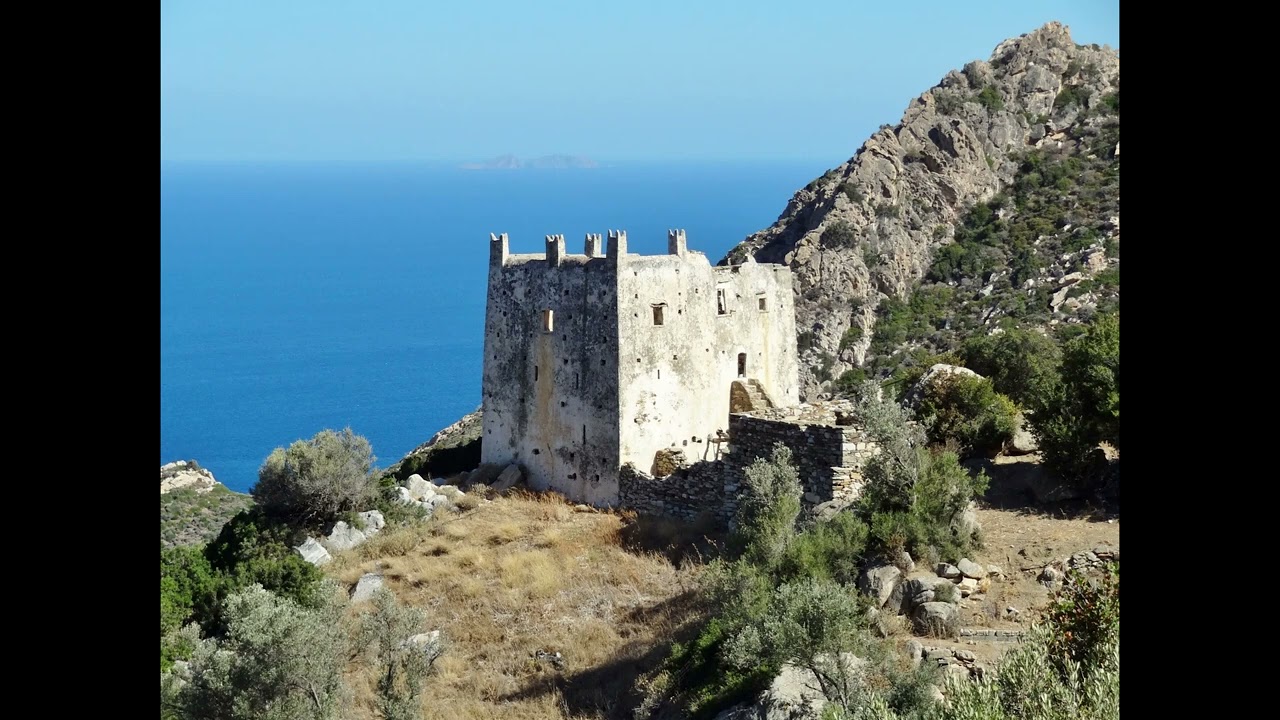
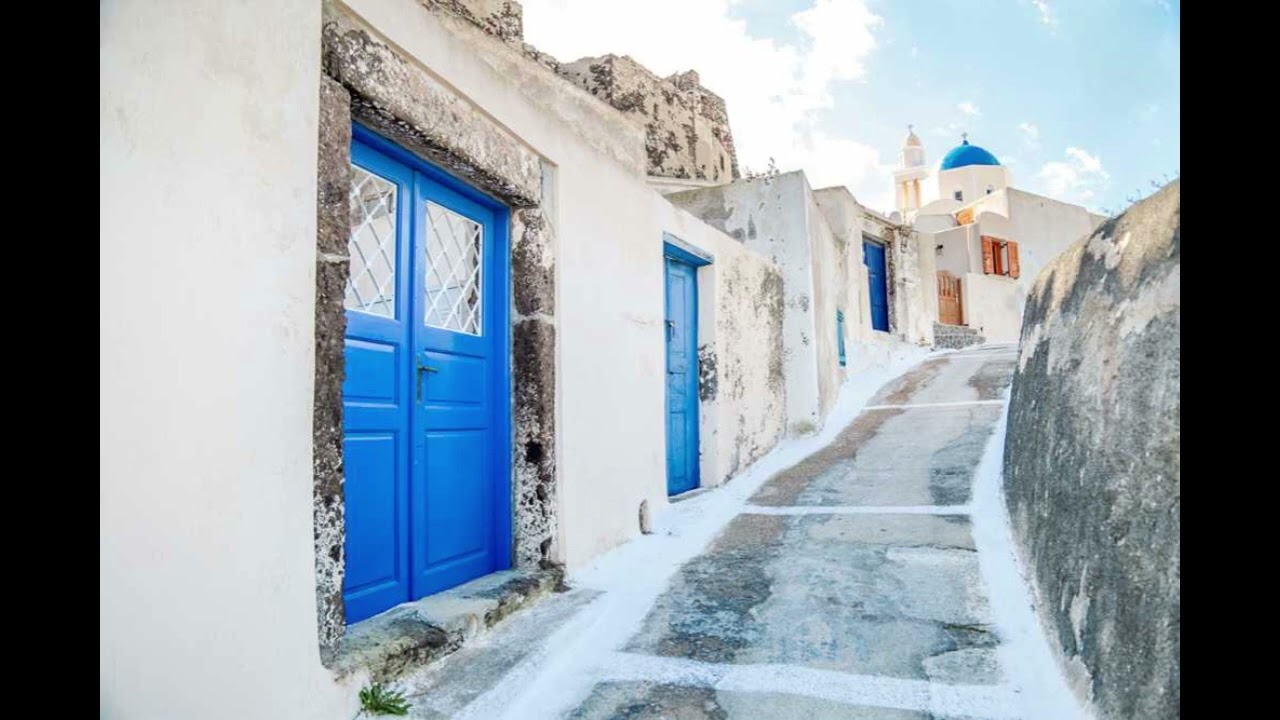
Here are two recordings of my own, one relatively unexpected one from Naxos and one utterly unexpected one from Santorini:
And here’s the Lefkadian one from another record. This isn’t an authentic recording, but a later performance based on a recording—most likely the one by Karas we mentioned above.
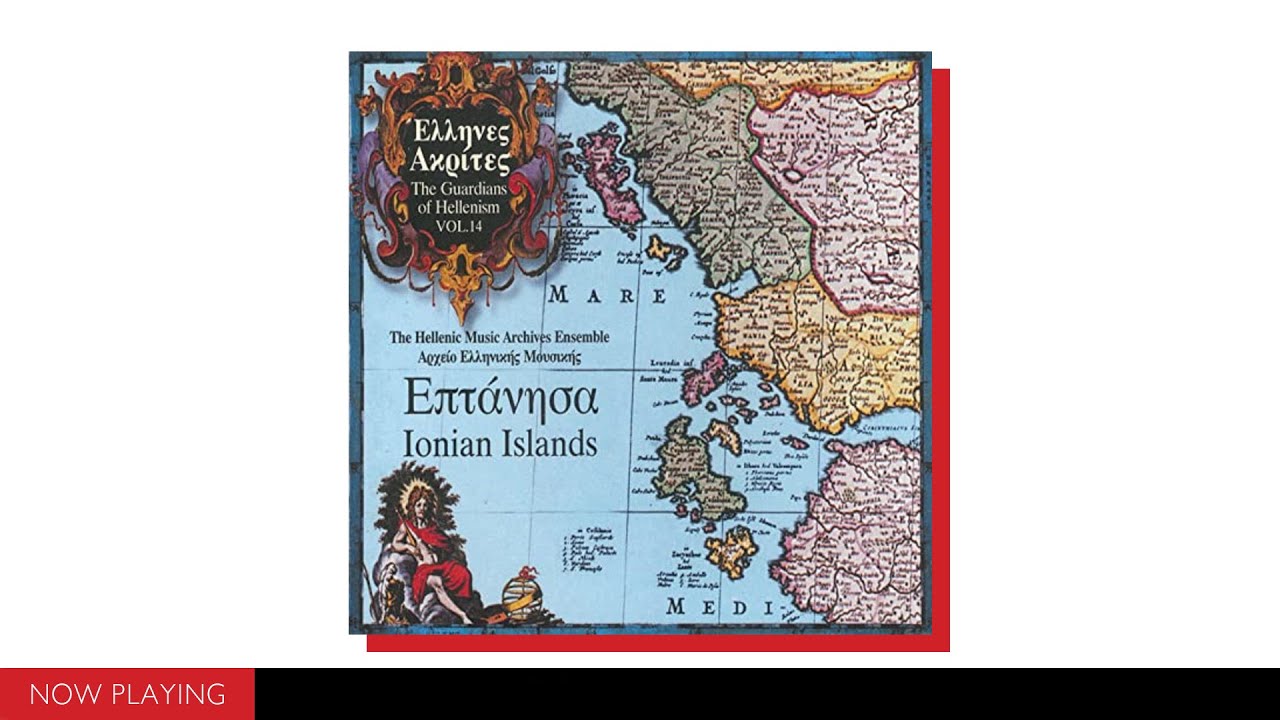
If you let it keep playing, the next song is also Lefkadian, and it too alternates between kalamatianos and tsamiko rhythms.
I think this is one of my favourites
From another group of variants:
Follow the lyrics. It starts out completely unrelated to Militsa, but eventually becomes part of the same story, even though the recording ends before the story is complete—apparently for reasons of length.
And “Alanaki” (αλανάκι), which is an original composition for an operetta that was going through a bit of a tough-guy phase at the time.